
Buy Gold Coins and Bars at Best Price from M&D Gold
The Top 10 Checklist Before Buying Gold Coins or Bars
Investing in gold can be a wise decision for diversifying your portfolio and safeguarding your wealth. However, buying gold coins or bars involves more than just picking a shiny piece. To ensure you make a sound investment, it’s crucial to check several factors before making a purchase. Here’s a comprehensive guide to help you make an informed decision:
1. Verify Authenticity
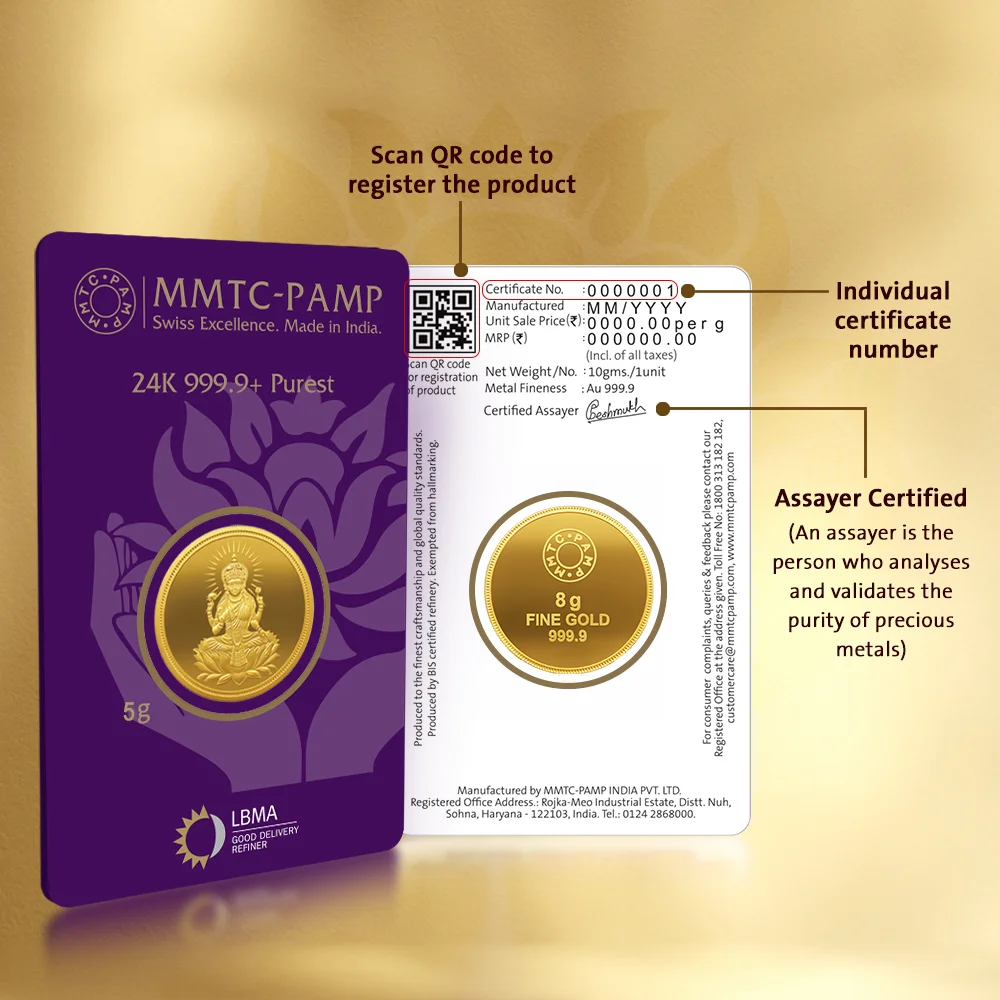
- Certification: Ensure that the gold coins or bars come with a certificate of authenticity from a reputable issuer or mint. This certificate should detail the purity, weight, and origin of the gold.
- Hallmarks and Stamps: Check for recognized hallmarks or stamps that indicate the gold’s authenticity. For example, MMTC-PAMP gold products carry specific marks that attest to their quality.
2. Understand Purity Levels
- Gold Content: Gold purity is measured in karats or fineness. Most investment gold is 24 karat (99.9% pure), but you should confirm the purity level of the item you’re considering.
- Markings: Look for markings on the gold item that indicate its purity. Non-branded gold may lack these, increasing the risk of buying impure gold.
3. Research Reputable Sources
- Authorized Dealers: Buy from authorized and reputable dealers or mints. Dealers should have a history of good business practices and positive customer reviews.
- Trusted Brands: MMTC-PAMP is a well-known and trusted brand in the gold market. Their products are highly regarded for their quality and authenticity.
4. Check Market Prices
- Spot Price: Be aware of the current spot price of gold, which fluctuates daily. Ensure that the price you’re paying is close to the market rate, factoring in the dealer’s premium.
- Premiums: Non-branded gold may sometimes be priced lower, but be cautious of unusually low prices, which could indicate a lack of quality or authenticity.
5. Evaluate the Premium
- Brand Premium: Reputable brands like MMTC-PAMP often come with a higher premium due to their assurance of quality and authenticity. Non-branded gold might be cheaper but could lack certification.
- Market Conditions: Premiums can vary based on market conditions, the type of gold product, and the dealer’s markup.
6. Understand Buyback Policies
- Resale Value: Reputable brands like MMTC-PAMP usually offer buyback programs or have better resale value. Non-branded gold might be harder to sell or might fetch a lower price.
- Terms and Conditions: Check the buyback terms and conditions of the dealer or mint before purchasing.
7. Inspect Physical Condition
- Visual Inspection: Examine the gold coin or bar for any visible imperfections, scratches, or signs of tampering. High-quality items should have a pristine appearance.
- Weight and Dimensions: Verify that the weight and dimensions match those specified by the issuer. Use a scale and caliper if necessary.
8. Consider Storage Options
- Safe Storage: Decide how you will store your gold. Options include safety deposit boxes, home safes, or secure vaults offered by some dealers.
- Insurance: Consider insuring your gold against theft or loss. Insurance policies should cover the full value of the gold.
9. Evaluate the Type of Gold
- Coins vs. Bars: Decide whether you want gold coins or bars. Coins often carry numismatic value and can be easier to trade, while bars usually offer a lower premium per ounce.
- Brand Specifics: MMTC-PAMP gold bars and coins are known for their precise craftsmanship and higher liquidity, making them a preferred choice for investors.
10. Understand Legal and Tax Implications
- Regulations: Be aware of the legal regulations and tax implications related to buying and selling gold in your country. Consult with a tax advisor if necessary.
- Documentation: Keep all purchase documentation for tax purposes and proof of ownership.
Branded vs. Non-Branded Gold: A Comparison
Branded Gold (e.g., MMTC-PAMP):
- Reputation: Comes from reputable mints or dealers with a strong track record.
- Certification: Includes detailed certification and authentication.
- Resale Value: Generally maintains a higher resale value and is easier to trade.
- Premium: Higher initial premium but offers assurance of quality and authenticity.
Non-Branded Gold:
- Uncertainty: May lack certification, increasing the risk of fraud or impurities.
- Pricing: Typically lower initial cost but may result in lower resale value.
- Liquidity: Might be harder to sell or get a fair price for, especially if not certified.
In summary, whether you choose branded or non-branded gold, thorough research and due diligence are essential. Following this checklist will help ensure that your investment is secure, valuable, and aligned with your financial goals.
Checklist Before Buying Gold – M&D Jewellery
Jeannette Fabela
Yetta Weld
Jill Tebbutt
Bradley Fiore
Delmar Harcus
Carlo Furr
Oscar Mahn
Mack Etienne
Terri Descoteaux
Efren Maiden
Rosetta Keane